Live casino tipping sits in a strange spot for Australian players. It looks like a courtesy, feels like a reward, and often gets treated as an optional fee that nobody explains properly. If you have ever watched a croupier shuffle through a shoe in real time and wondered whether a few extra credits actually change anything, you are not alone. The habit is widespread, the rules are vague, and the practical impact on your session is usually smaller than the chatter suggests.
How the tipping moment actually plays out at a live table
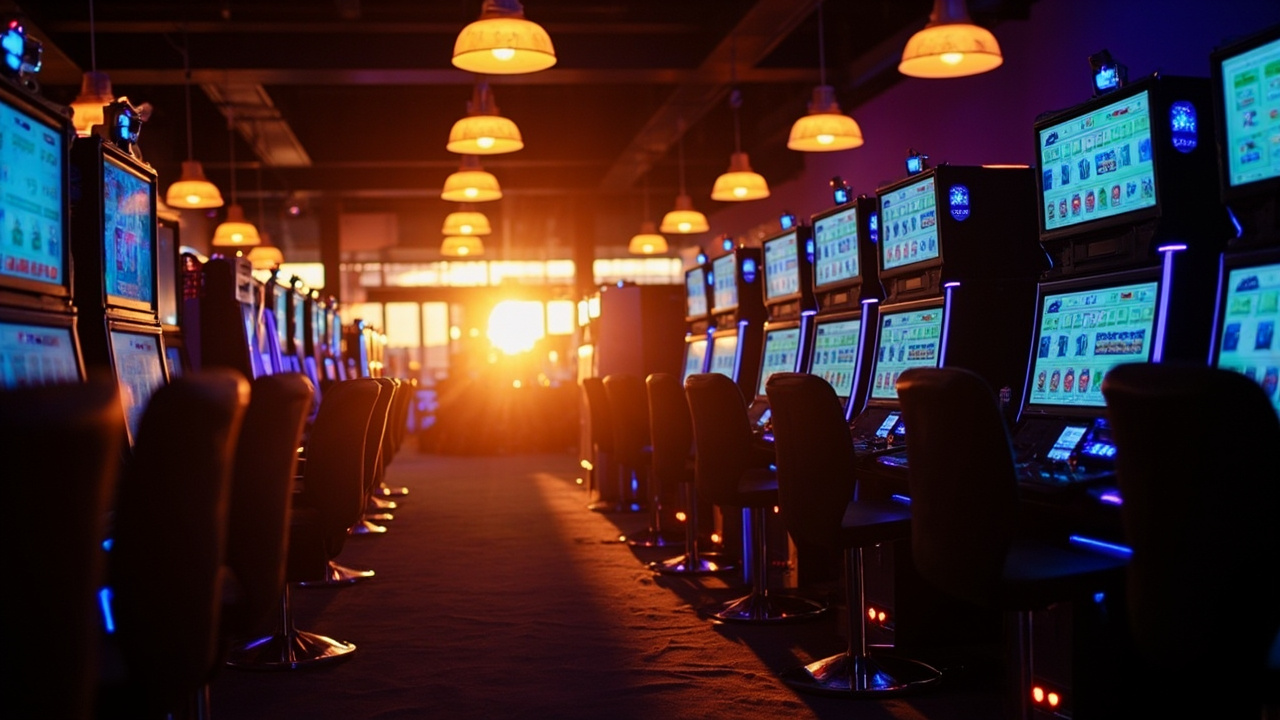
When you join a live table, the tipping moment usually arrives after a hand or round rather than before it. The dealer acknowledges the gesture, the platform logs it as a separate marker, and your balance updates as if you had placed a normal bet. That sounds simple, but the experience changes depending on how the table is set up and how much the interface nudges you toward a gratuity.
I have spent enough time inside wagering and iGaming product flows to know that gratuity prompts are rarely neutral. A well-built screen makes tipping feel optional and quick; a clumsy one makes it feel like a toll gate. At its most basic, live casino tipping is a small on-table gesture directed at the dealer, usually handled in-platform rather than handed across a felt. The distinguishing traits are straightforward: it is separate from your wagering balance, it is visible to the table in real time, and it is tied to the session rather than the overall account. That matters because it changes how players think about the cost of staying at a table.
The everyday usability depends on how clearly the operator separates a tip from a bet. If the prompt is buried inside the same action stack as your next wager, people either skip it or tap it by habit. If it sits in its own clear step, it becomes a deliberate choice instead of a reflex. The overall fit for an Australian audience is decent only when the interface is honest about what is optional and what is not, and when the timing matches the pace of a live shoe rather than an automated lobby.
For anyone weighing up where to start, a clean registration path matters more than a flashy lobby. A straightforward sign-up at level up casino sign up should feel like a short, boring administrative step, because that is what it ought to be when the real focus is the table itself. The more an operator leans on novelty to distract from the basics, the less time a player spends thinking about whether they actually want to be there.
Two views on whether the gesture changes the table
The player-side case for a small on-table gesture
From the player side, the argument is simple enough: a live dealer is a person working a shift, and a modest tip can feel like a fair acknowledgment of a smooth round. That is especially true on busy sessions where the pace is brisk and the interaction is mostly polite nods and clean card work. A small gesture can make the table feel less transactional, which is one reason some players keep doing it even when they know it does not alter the rules.
There is also a practical angle that gets overlooked. If a platform makes tipping easy and visible, it can reduce the awkwardness of trying to figure out whether you have already done it. That clarity is useful because confusion is what turns a harmless habit into a repeated accidental spend. On a well-run table, the gesture is a tiny line item that you can ignore or use without breaking your rhythm.
The operator-side view that the table should stay neutral
The other side of this is that a live table should not be selling the illusion that a tip changes magyemek.com outcomes, pace, or attention. Operators who take that view tend to treat gratuity as a courtesy feature rather than a performance lever, and they are usually clearer about where the boundary sits. The disagreement here is real and worth keeping balanced: one side sees tipping as a human gesture that improves the feel of a session, the other sees it as something that should stay separate from the game mechanics and never be positioned as a lever.
Matilda Hill, Responsible Gambling Adviser, Southern Capital Advisory, puts the caution plainly: players should treat a tip as a social habit, not a way to influence how a round is dealt. Hannah Walker, Compliance Director, Southern Reef Gaming, makes the operator-side point even sharper, noting that a table should never let a gratuity prompt blur into the betting flow or imply any kind of preferential treatment. Both views can sit together without contradiction, because the practical truth is that tipping is about acknowledgment, not advantage.
That distinction matters for how a player decides whether to use it. If the gesture is presented as a nice-to-have, it can fit neatly into a session. If it is presented as something that changes the feel of the table in a way that nudges you to keep spending, the whole setup starts to look less honest.
What this means for how a player uses the feature
For an Australian player, the useful question is not whether tipping is polite but whether it fits the way you actually play. If you are the sort of person who sits a session down for a single arvo and wants the interface to stay out of the way, a clear optional prompt is enough. If you are more likely to move between tables and lose track of small prompts, a cluttered gratuity flow becomes a nuisance. The feature works best when it is quiet, separate, and easy to ignore.
The timing also has to match the calendar of real play. A long session around a major fixture such as the Melbourne Cup or a Boxing Day Test can make a table feel more social, but that does not turn a tip into a meaningful part of the game. The sporting calendar can shape when people log on and how chatty they feel, yet the mechanics of the gesture stay the same. A tip is still a small optional line item, not a ticket to a different kind of round.
Players in Perth tend to be blunt about this sort of thing, and that is healthy. If a gratuity prompt feels like it is trying too hard, the right response is to treat it as a design issue rather than a moral one. The best setup is one where a player can make a quick choice without the interface lecturing them about it, and where the table stays focused on the cards, the wheel, or the shoe in front of it.Reddit
Live casino tipping is at its most useful when it is treated as a small, optional courtesy that sits beside the betting flow rather than inside it. It should be clear, quick, and easy to decline, with no suggestion that a gesture changes how the table runs. For players who want a live session to feel human without turning the interface into a nudge machine, that is the practical standard worth looking for.